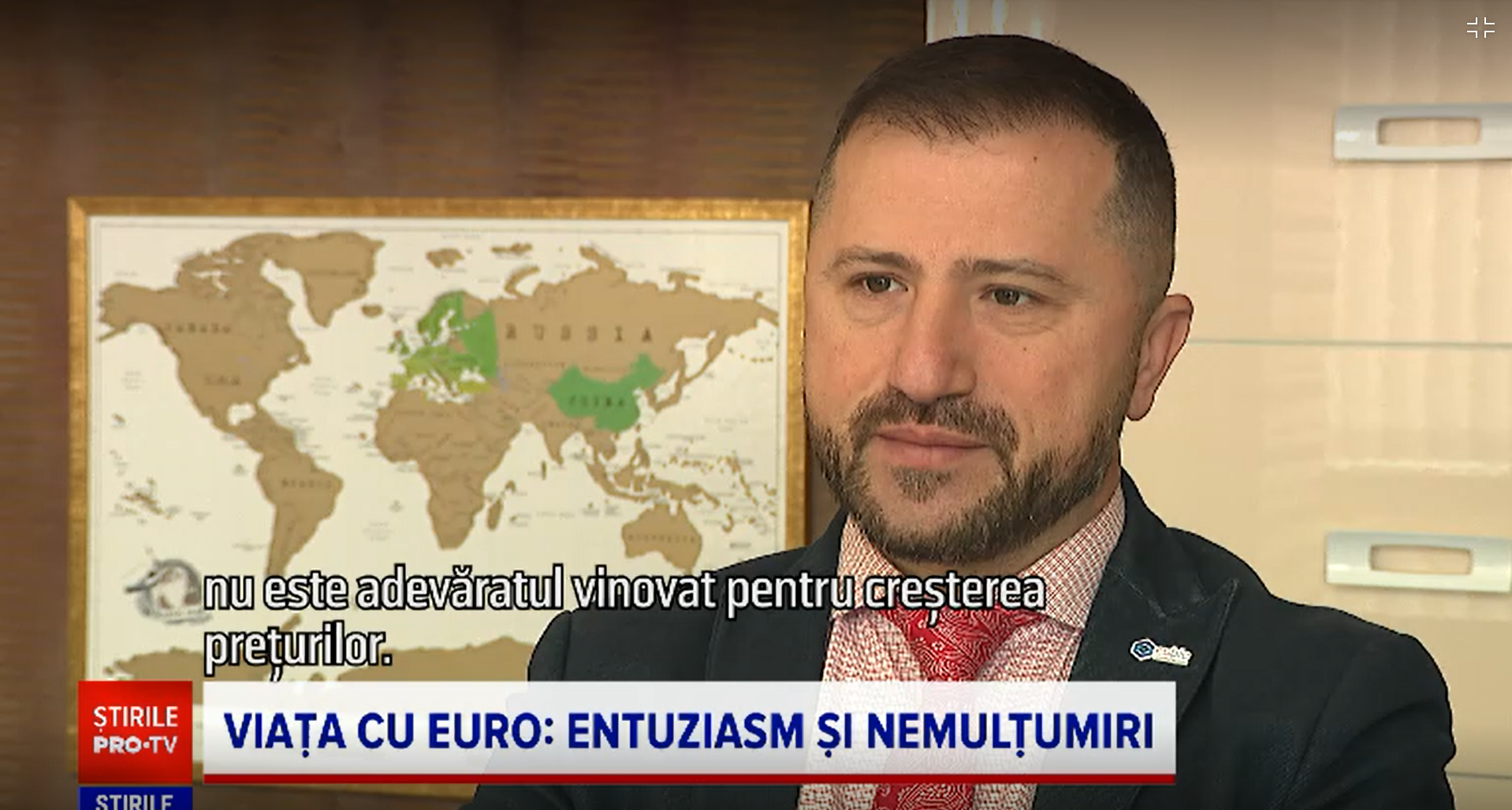
Milen Dobrev to Pro TV Romania: The price increase is a long-term trend that began in 2024, and is not directly related to the euro

Following the introduction of the euro as the official currency in Bulgaria on January 1, 2026, the topic of the effects on the economy and the daily lives of citizens and businesses continues to be the focus of regional media. The Romanian national television channel Pro TV Romania is yet another media outlet to publish an extensive article examining the reactions in Bulgaria – from concerns about rising prices to the new investment attitudes of a part of the population.
In a television interview, the executive director of the Ruse Chamber of Commerce and Industry, Mr. Milen Dobrev, emphasizes that the observed price increase is a trend that began in 2024 and should not be seen as a direct result of the adoption of the euro. According to him, it is rather a matter of multiple economic factors, including rising costs for energy, transport and resources, as well as an increase in the minimum wage (over the last 10 years the increase is almost 4 times), which are reflected in the final prices of goods and services. We should not forget the increase in VAT to 20% in a number of areas that were previously subject to preferential tax (medicines, food, bread and bakery products - previously it was 0%, books and printed publications, baby food and cosmetics, tourist services, restaurant and catering services), the increase in the social security burden, as well as the many newly introduced administrative regulations, requirements and procedures that gradually burden the cost of a number of businesses (which accumulates on the final price of products and services).
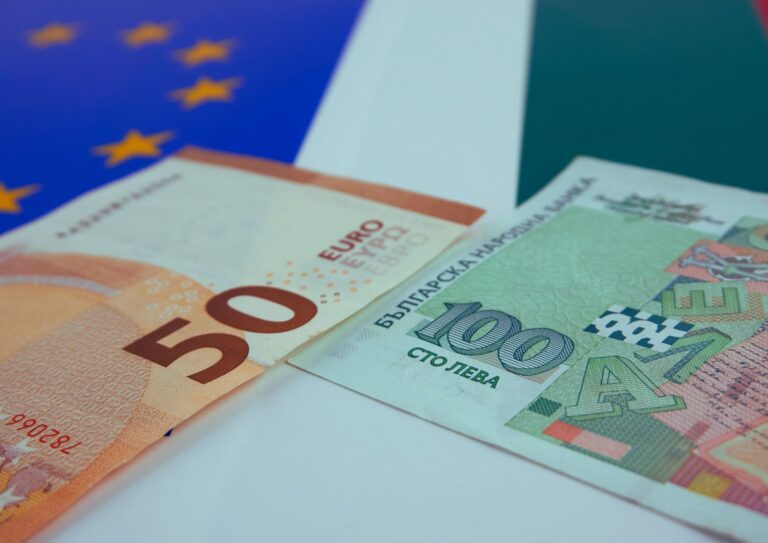
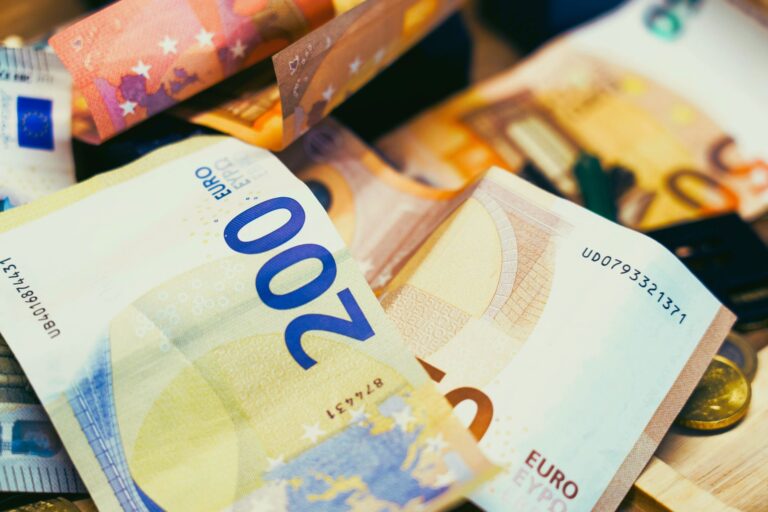
The Pro TV Romania material describes a wide range of reactions among the public. It is mentioned that some citizens and entrepreneurs express some concerns about the initial price fluctuations, especially in the first days after the transition to the single currency, as well as about the adaptation to the dual pricing of products. Some Bulgarians are looking for traditional „havens“ for their savings, such as investments in gold or real estate, in an attempt to protect their purchasing power during a period of transition. Our Romanian neighbors do not fail to jokingly mention some extreme opinions, such as that the „Bulgarian euro“ will not be valid in the rest of Europe, or that a folded 50 euro banknote in front of a mirror shows the image of Satan.
Despite the ongoing debates in society, the economic outlook of Mr. Dobrev and the business community remains focused on long-term stability. The adoption of the euro is seen as a natural continuation of the current monetary policy (currency board), which will strengthen predictability for investors and facilitate trade with EU partners.
The Romanian media concludes the report with the reminder that Bulgaria managed to overtake Romania in this particular area, as the Romanian government does not have a clear plan for introducing the single European currency, making it one of the six countries in the EU that have not yet done so.
The Pro TV Romania article is available at the following address (in Romanian).