The stress test of the transition: What were the real challenges in the first month with the new currency?

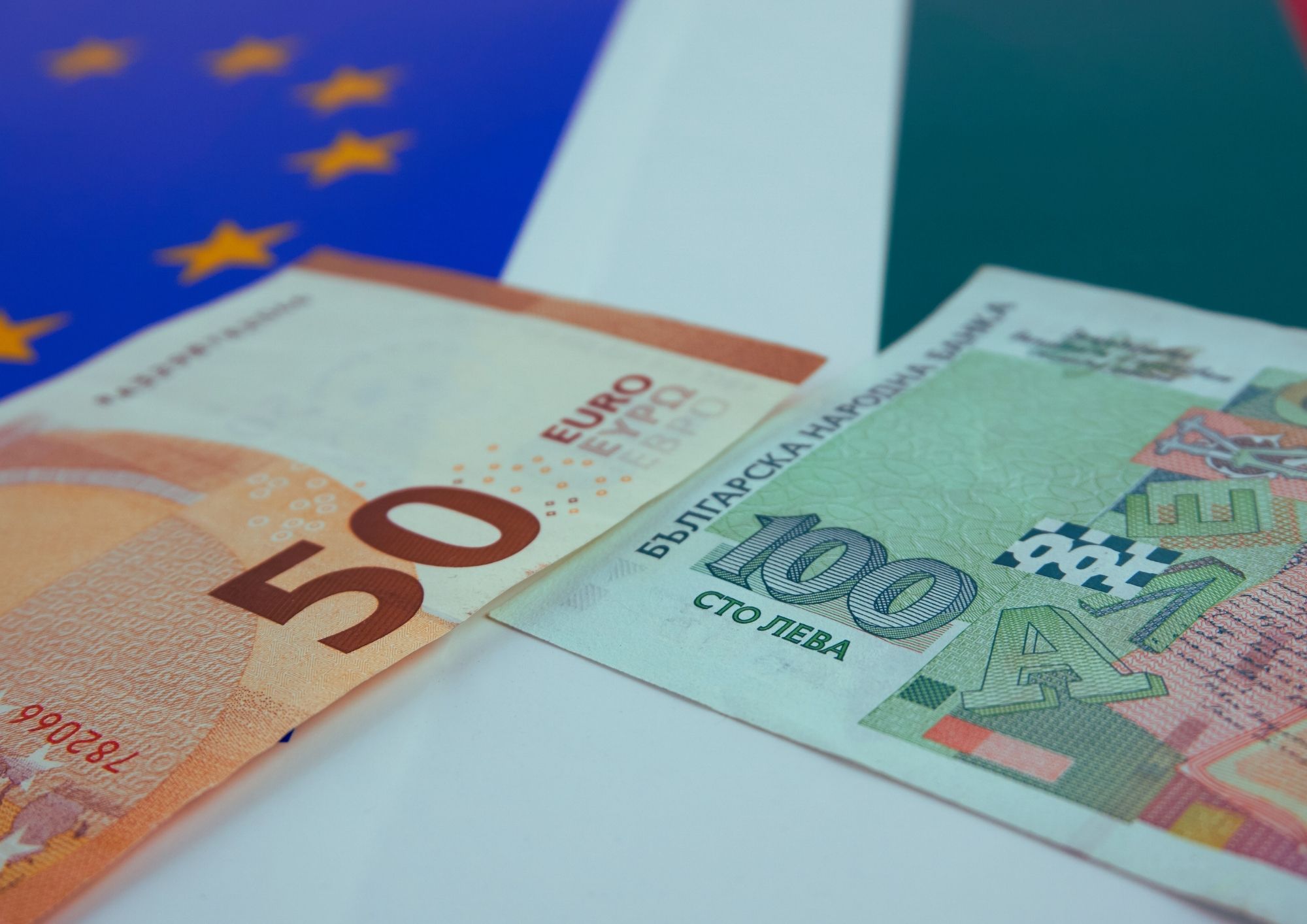
The adoption of the euro as the sole legal tender as of February 1, 2026 marks the end of the dynamic one-month period of dual circulation. Although institutions and the financial sector describe the process as smooth and successful, the historic change quite predictably brought its own specific logistical, administrative, and psychological challenges.
Here were the main difficulties on the road to the new currency that businesses and consumers in Bulgaria faced.
Business Challenges: Liquidity, Software, and Fines
For traders and entrepreneurs, the first month of the year turned out to be a real stress test. The main stumbling blocks included:
- The logistics of dual circulation: The greatest initial burden for retailers was the obligation to accept payments in levs while giving change primarily in euros. This created serious liquidity challenges and led to temporary local shortages of small euro banknotes (10 and 20 euros) and coins, especially in smaller retail outlets.
- Strict control and administrative sanctions: Increased inspections by the National Revenue Agency and the Consumer Protection Commission (CPC) for unjustified price rounding and failure to comply with dual price display rules caused additional tension. By the end of January alone, sanctions totaling nearly 400,000 euros had been imposed for identified violations.
- Accounting and IT adaptation: Companies had to urgently reconfigure their ERP systems, cash registers and accounting software. The submission of tax declarations for periods ending after January 1, 2026 now requires reporting entirely in euros, necessitating intensive training for financial departments.
- Re-registration of the authorized capital: All companies have until December 31, 2026 to update their articles of association and convert their share capital from levs into euros in the Commercial Register. Although no state fees are due for this process, it requires administrative time, and failure to comply carries the risk of fines and the blocking of future corporate changes.
Difficulties for citizens: Queues, counterfeits and "hidden" inflation
For the average consumer, parting with the lev did not pass without disruption.
- Queues for cash exchange: By the end of January, around 25% of lev banknotes and coins were still in circulation. Since stores no longer accept them as of February 1, citizens had to exchange them physically at banks or at Bulgarian Posts. This led to queues and inconvenience at service counters, especially given the limits – post offices do not exchange more than 10,000 BGN per person per day, while amounts exceeding 30,000 BGN at banks require prior notice of three to five days.
- Psychological barrier and "hidden" inflation: Despite the fixed exchange rate of 1 EUR = 1.95583 BGN, many consumers are having difficulty quickly navigating the new nominal price levels. Fears of speculative price hikes led to a peak in consumer complaints in the first weeks of the year.
- Risk of fraud and counterfeit money: The appearance of the unknown physical currency in wallets has led to an increase in attempts to smuggle counterfeit euro banknotes. As early as January, the Ministry of Interior opened dozens of pre-trial proceedings in such cases.
- Information confusion among vulnerable groups: Elderly citizens and residents of more remote areas faced the greatest difficulties in understanding the deadlines. A significant number of people mistakenly believed that the period during which they could pay in levs in stores would last six months rather than just one.
Light at the end of the tunnel
Despite initial setbacks, data from mid-February show a clear trend towards easing. Tensions are visibly easing, complaints are falling significantly, and the foreign trade sector is already feeling the real benefits of the elimination of currency risk and bank conversion fees. The transition is nearing its end, and the economy is starting to operate under the new European rules.