Roundtable "Dialogue Innovations.bg 2040" in Ruse: Business and Education Outlined the Path to A Working Technology Transfer

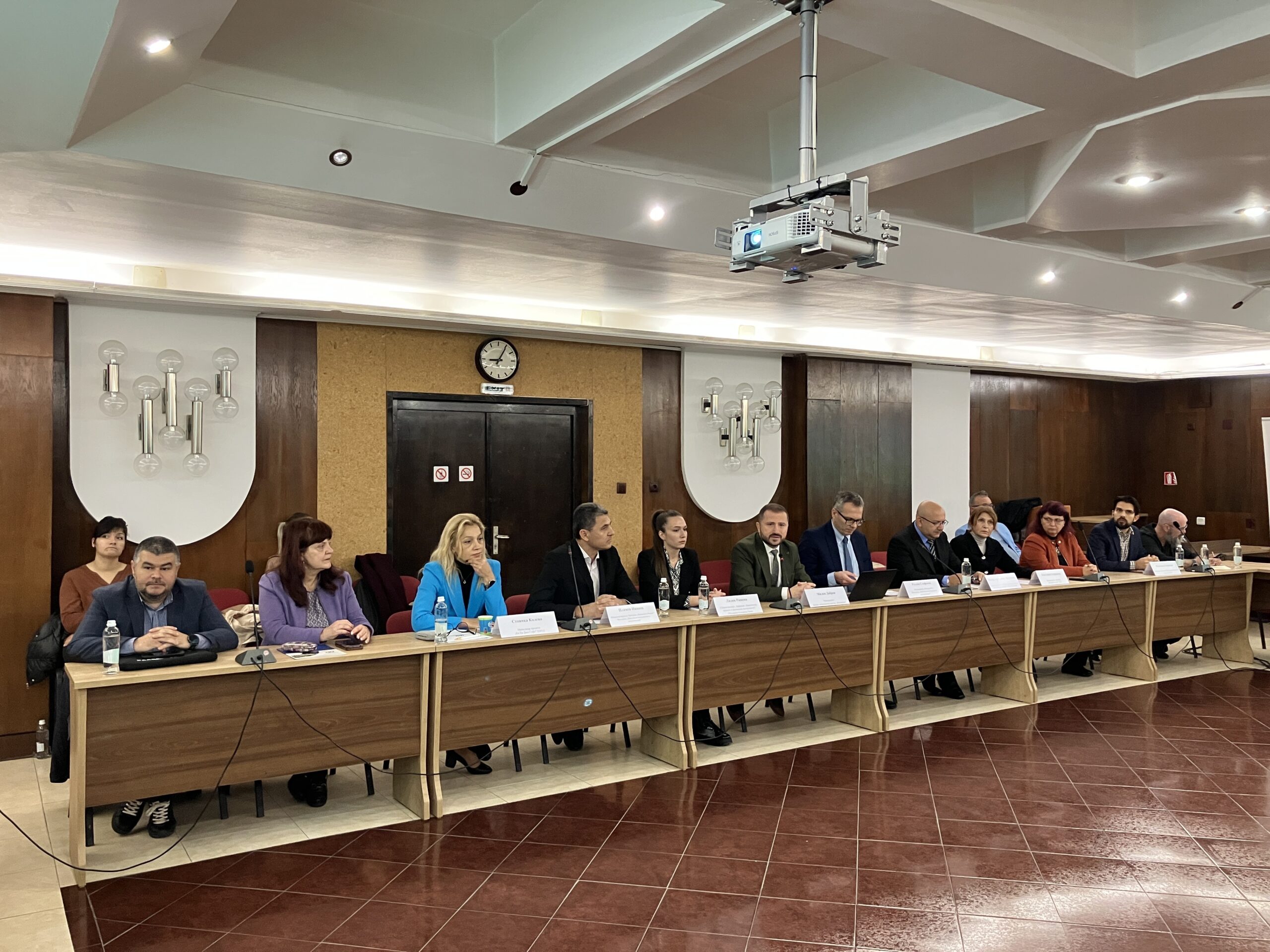
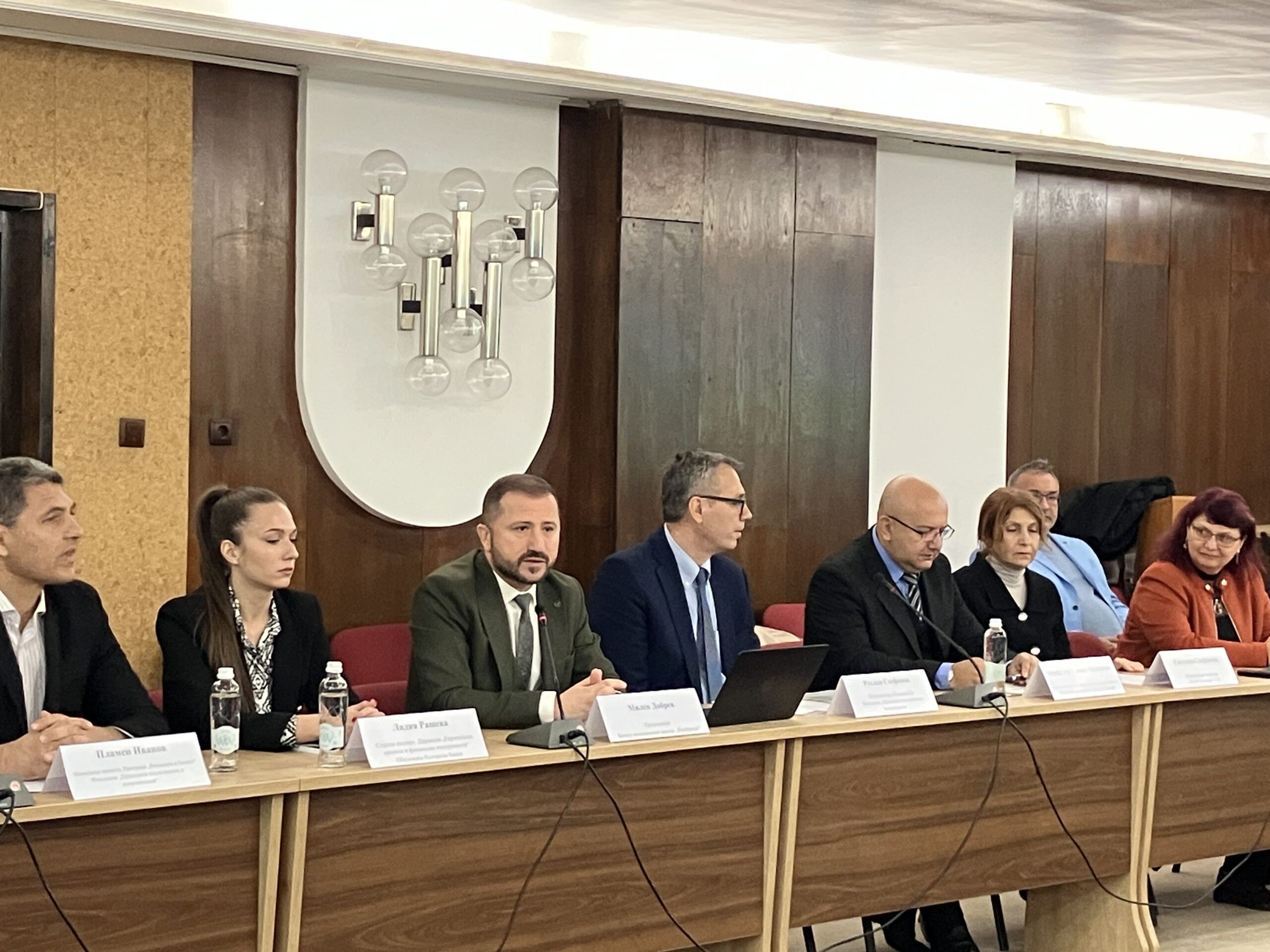
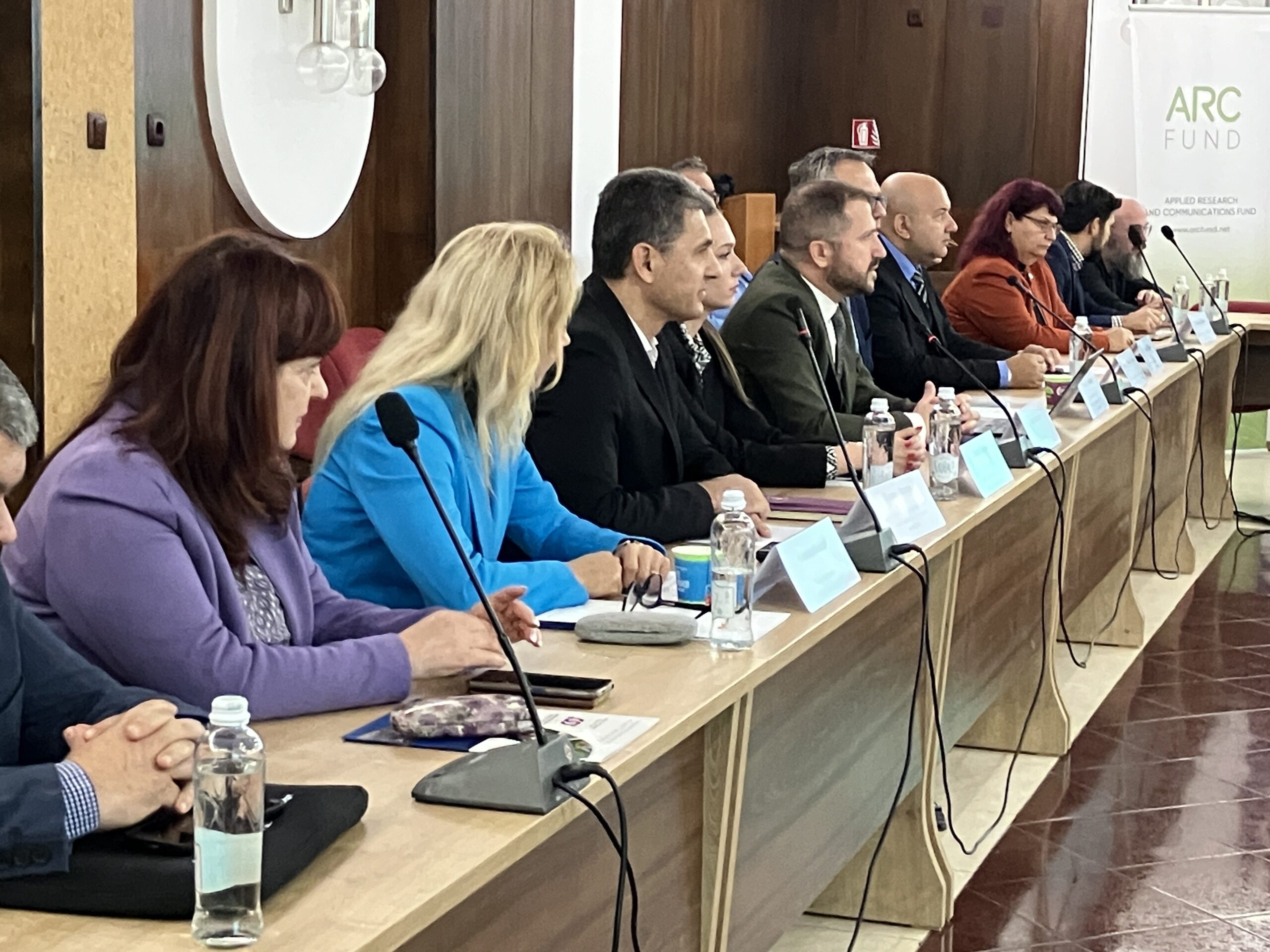
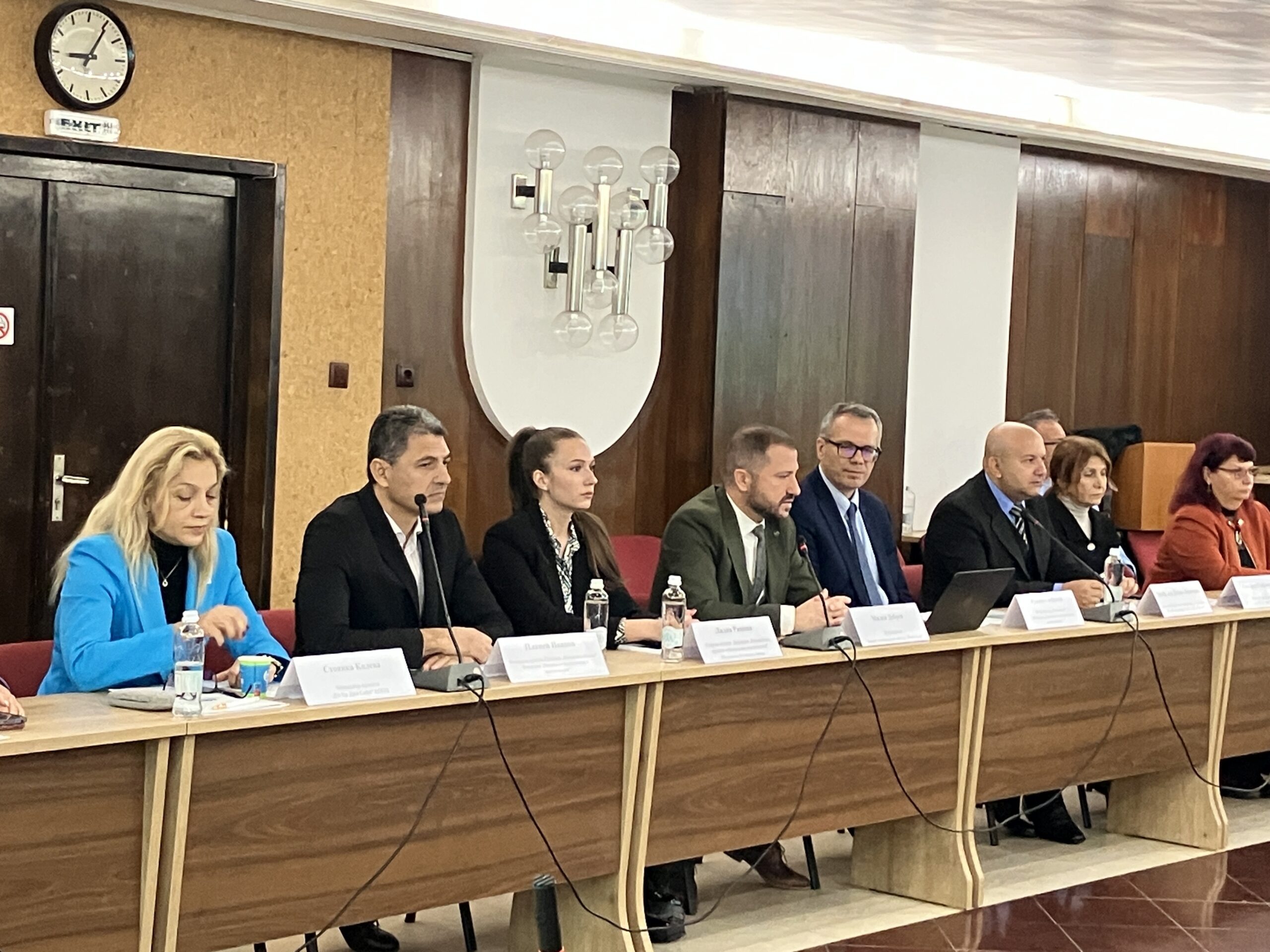
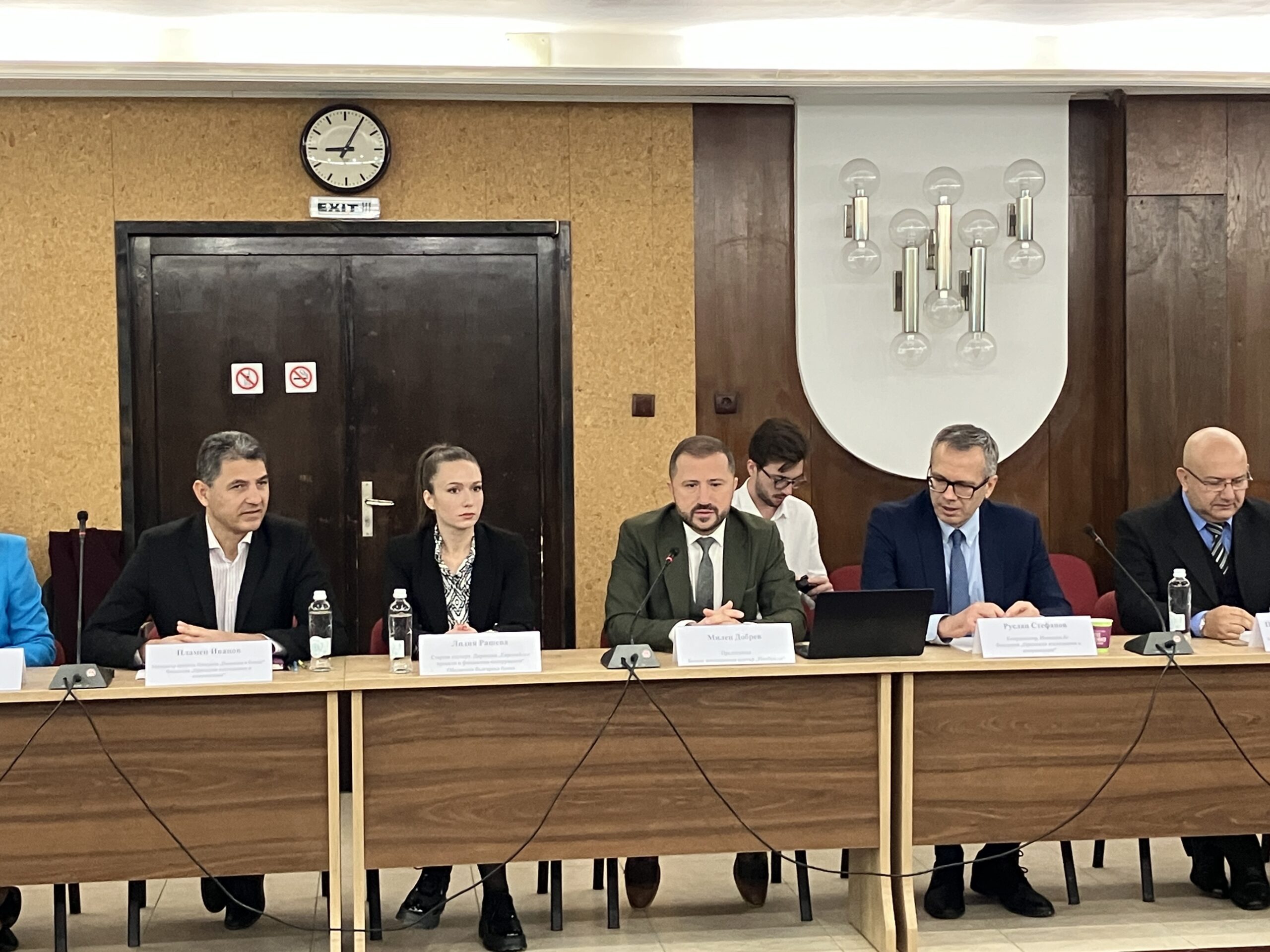
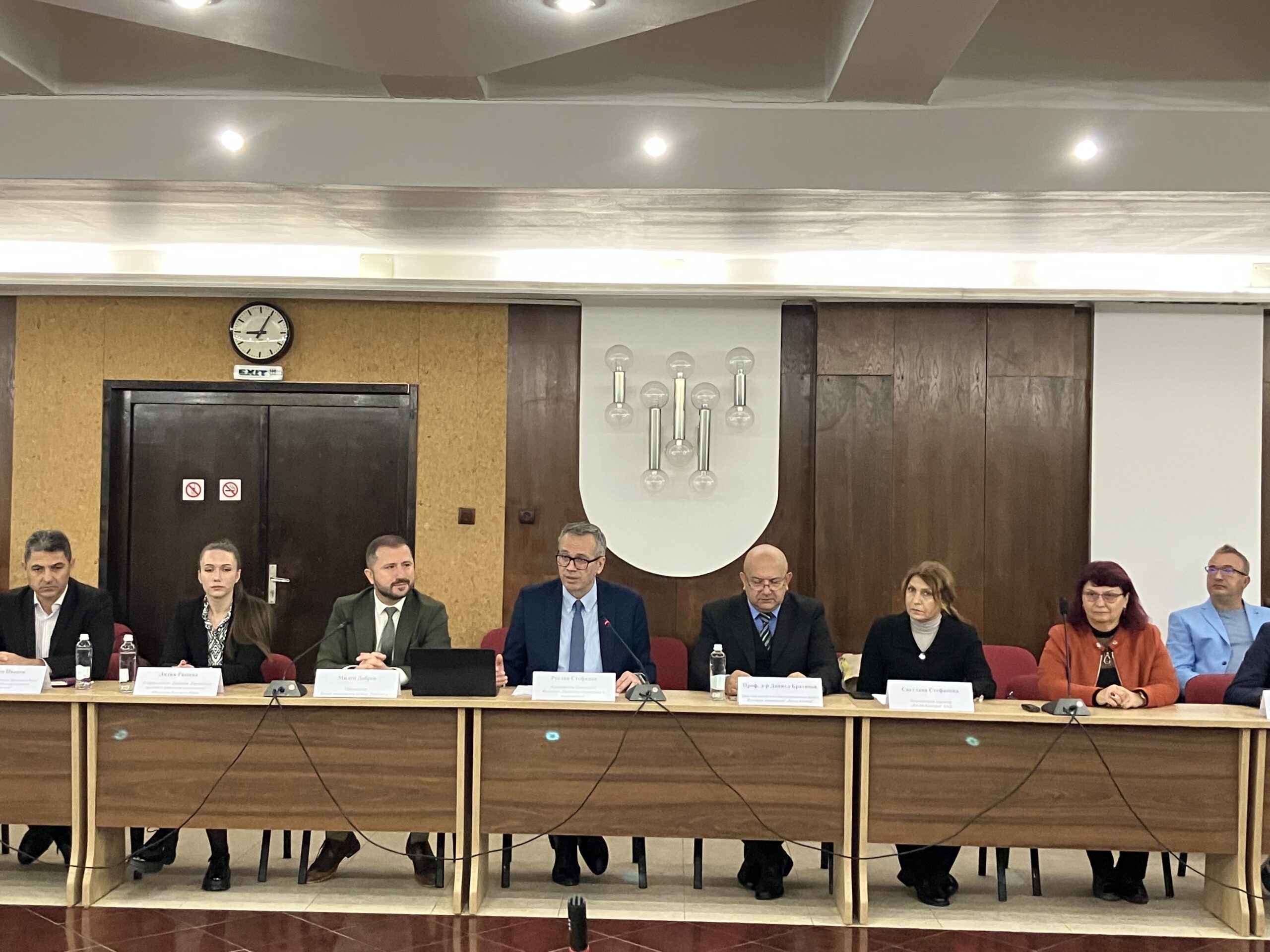
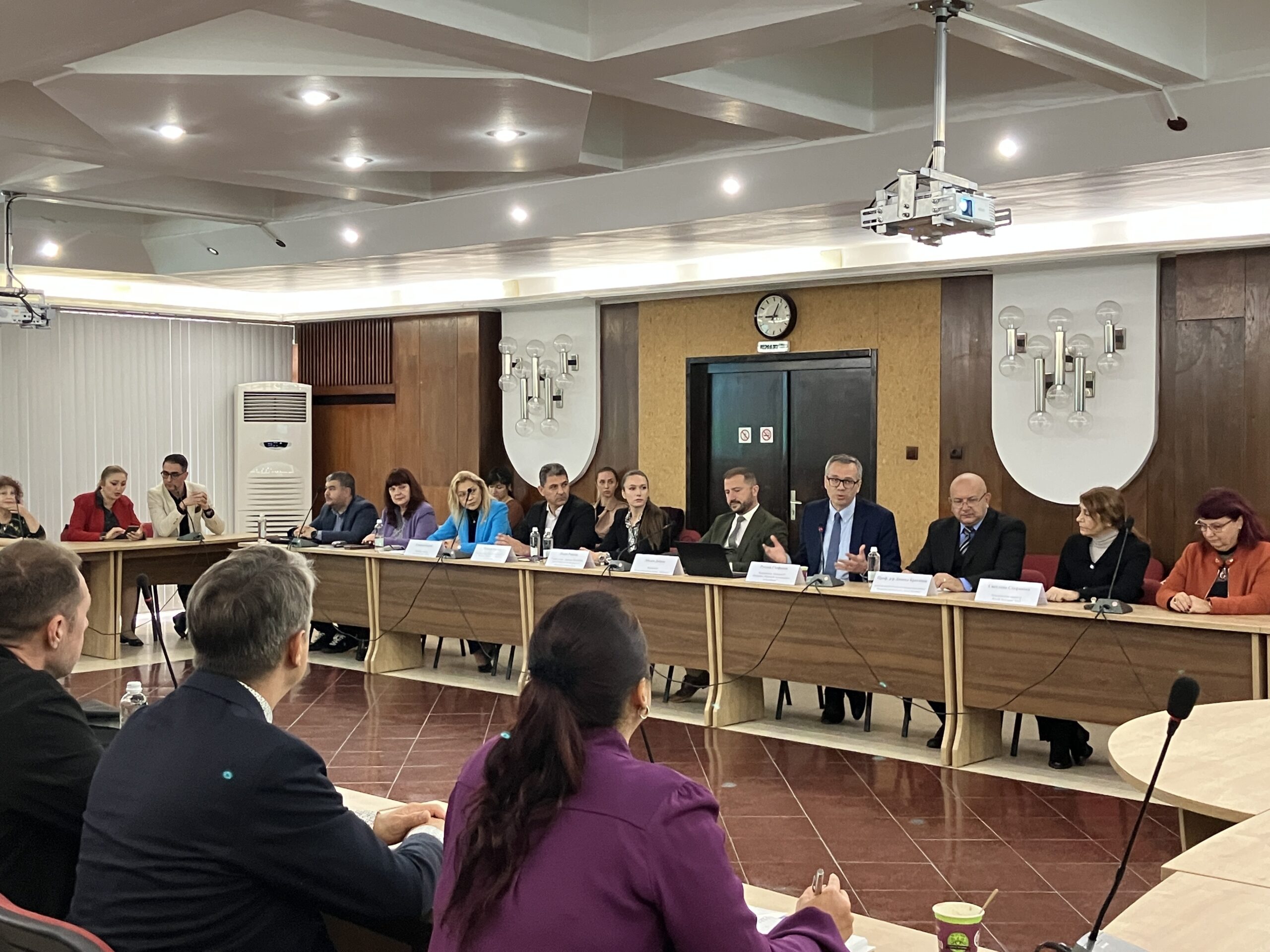
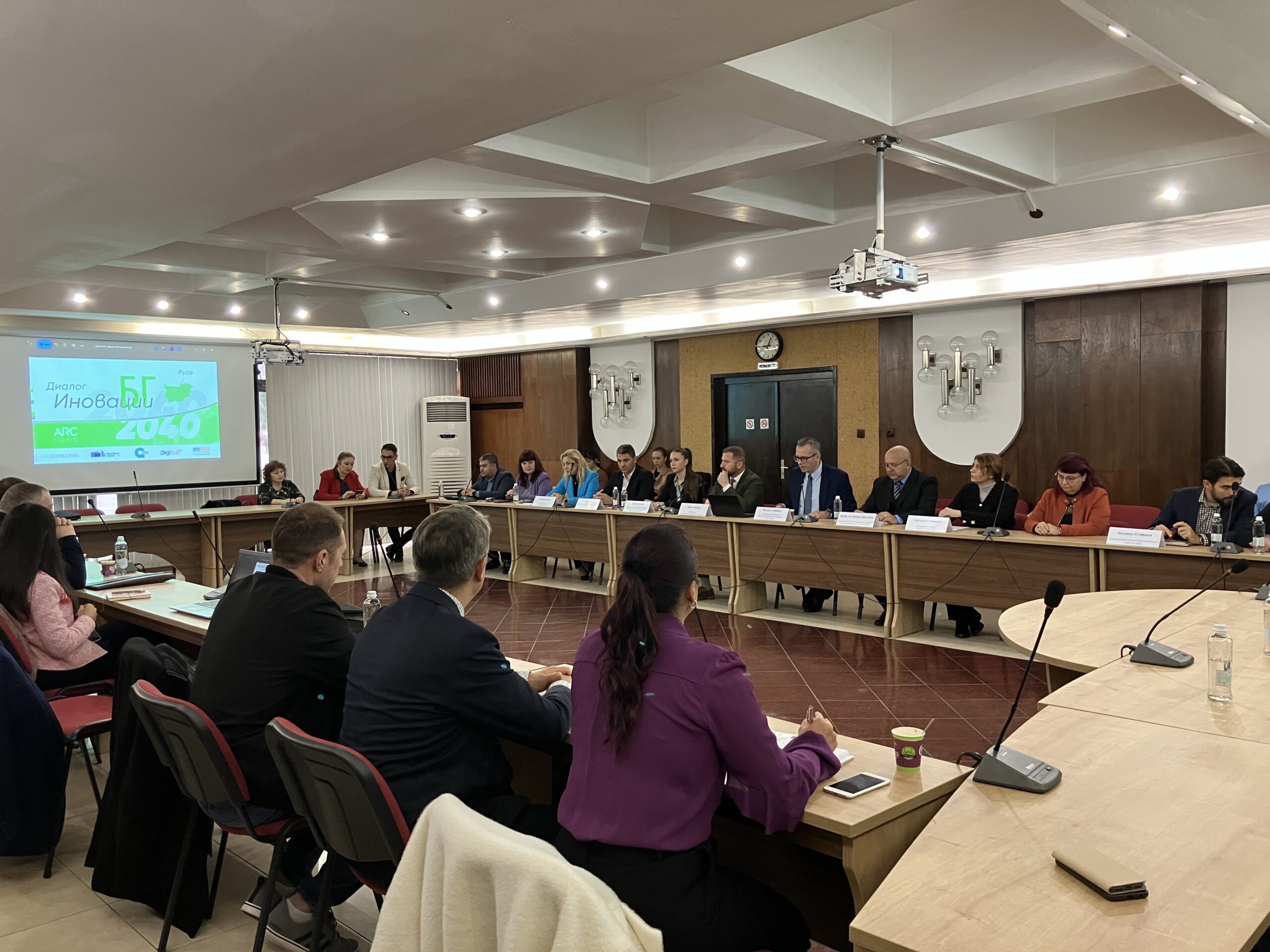
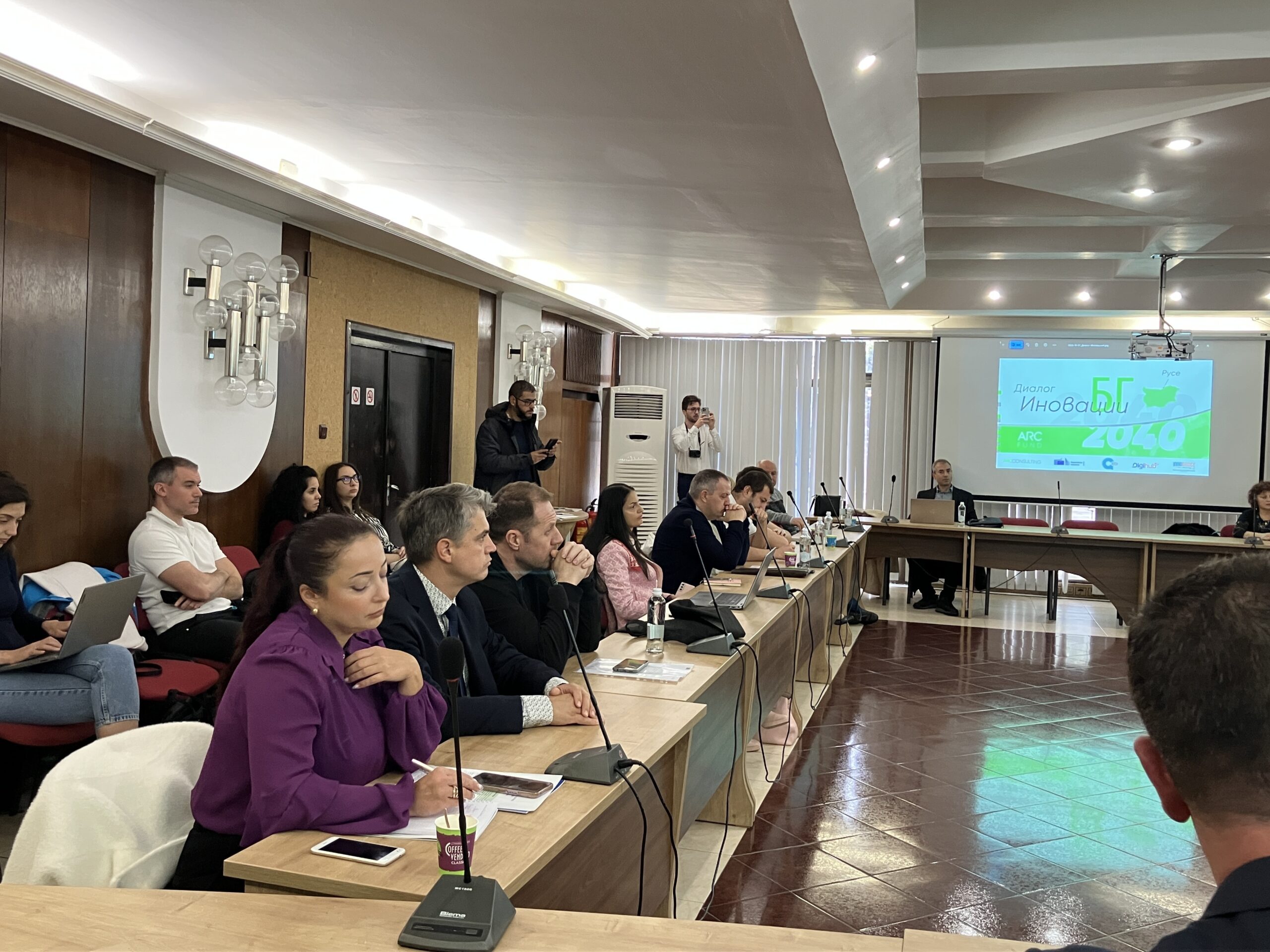
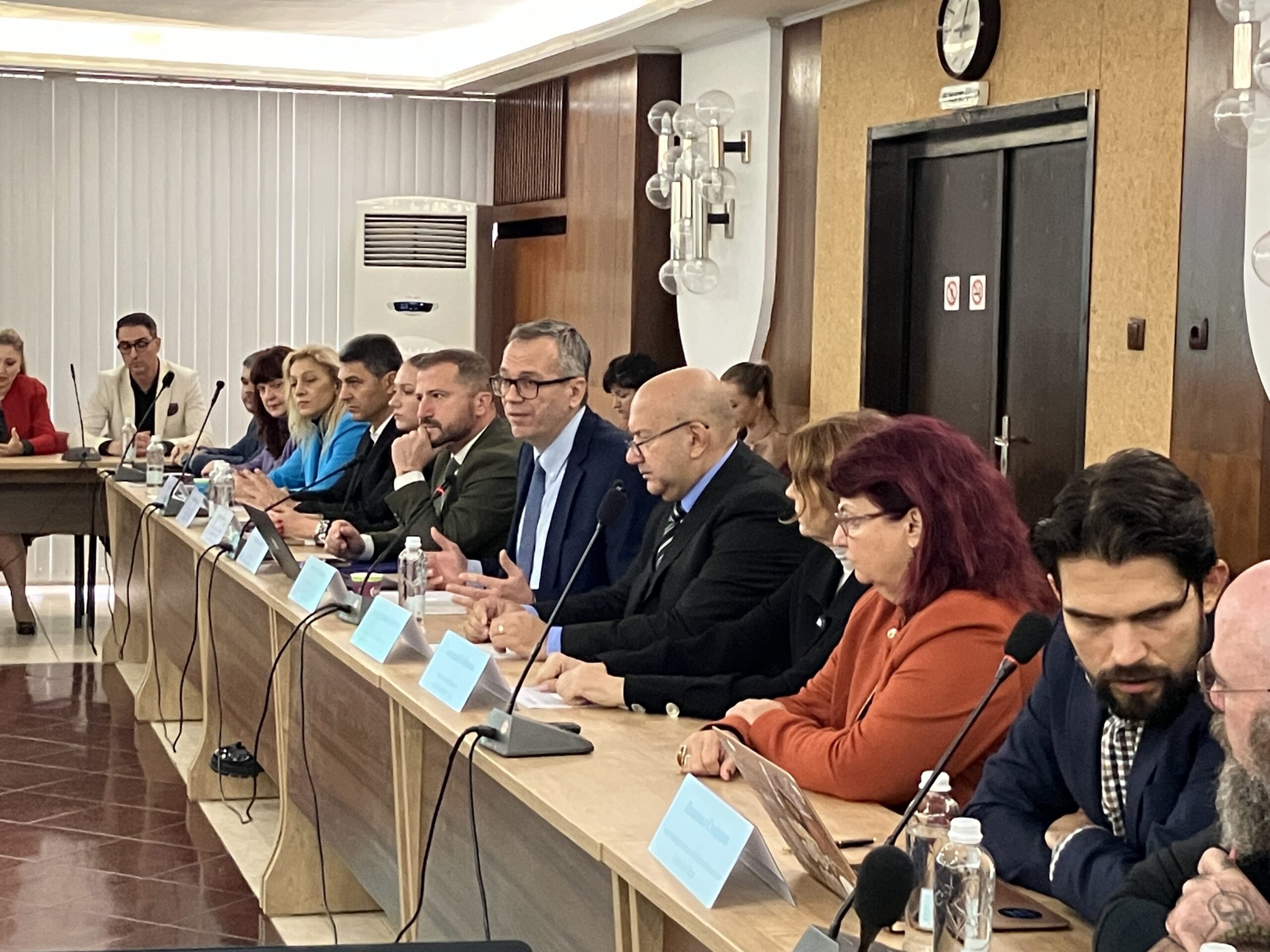
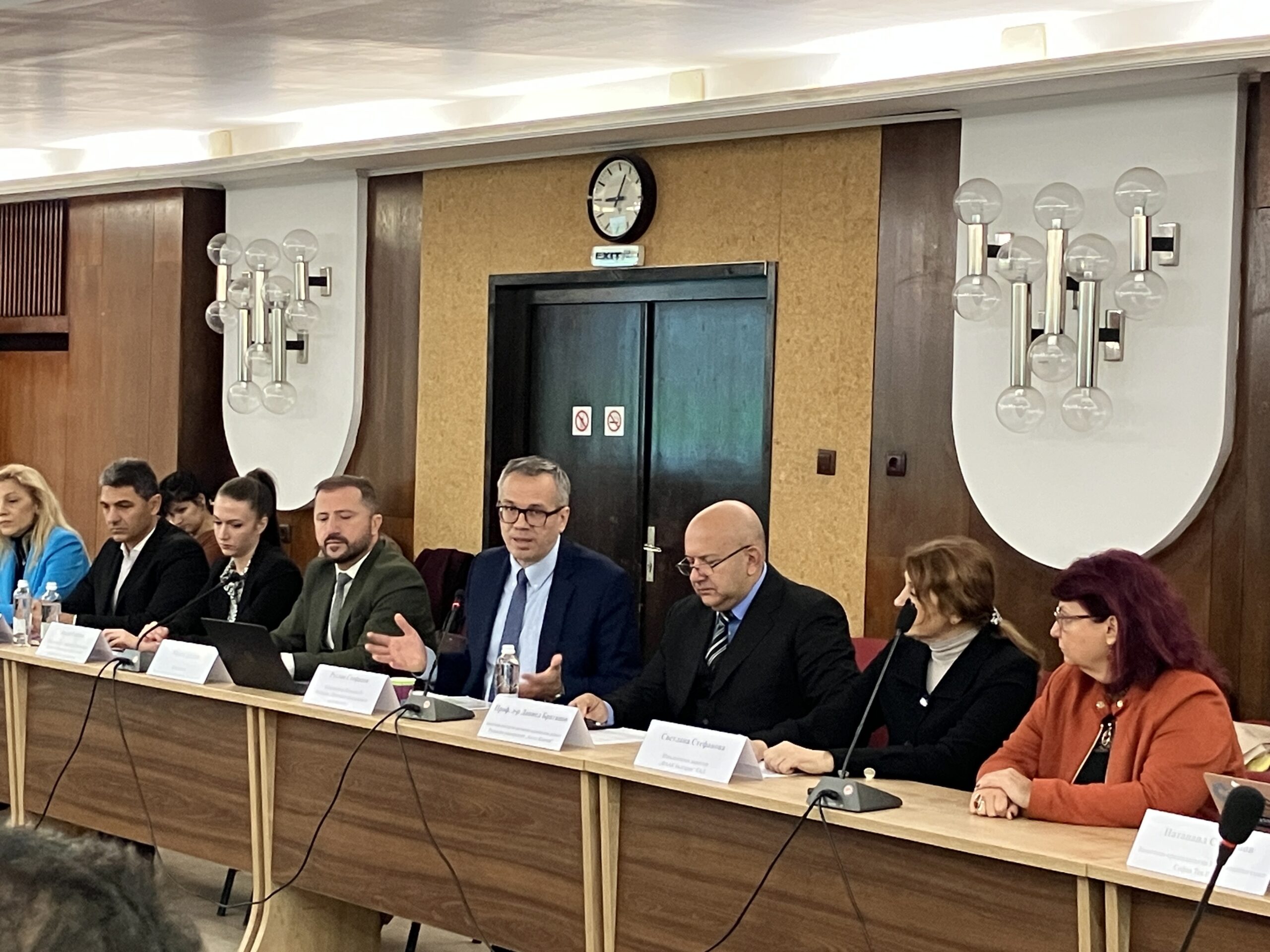
On October 9, 2025, in Hall 1 of the Regional Administration - Ruse, a round table from the series "Dialogue Innovations.bg 2040: Regional Hubs and Financing of Innovations" was held. The event brought together representatives of enterprises, universities and institutions with a common goal: to accelerate the transfer of knowledge from academia to business and to facilitate the path of innovations to the market. The forum is part of the initiative of the Applied Research and Communications Foundation (Innovations.bg) and was implemented with the assistance of the Ruse Chamber of Commerce and Industry (RCCI) and the Business Innovation Center "Innobridge".
Discovery: General Framework and Specific Expectations
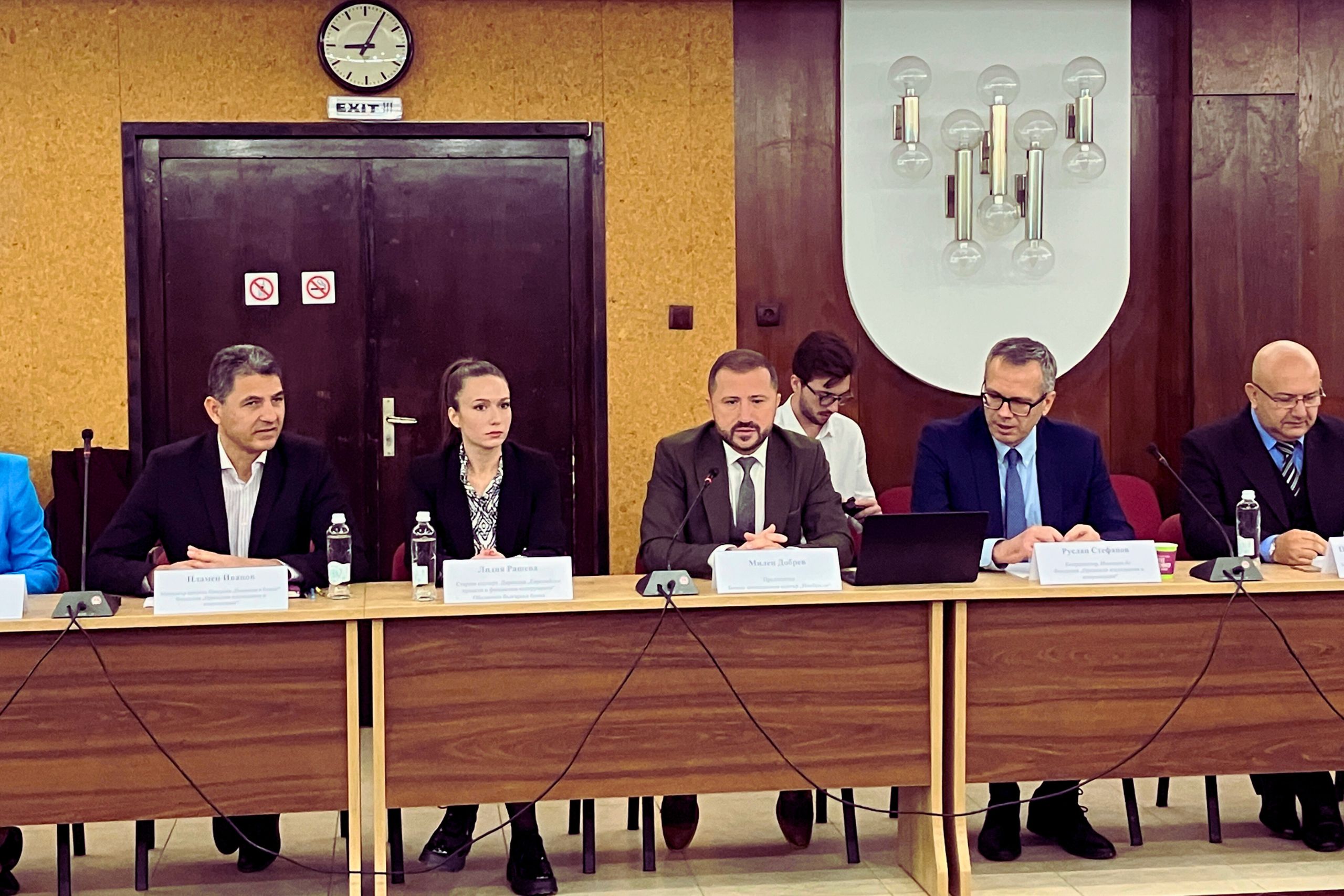
The official opening was set by Milen Dobrev, Chairman of the BIC "Innobridge" and Executive Director of the Ruse Chamber of Commerce and Industry, and Ruslan Stefanov, Coordinator of Innovations.bg at the Applied Research and Communications Foundation. They outlined the need for clearer mechanisms for cooperation between universities and companies, shared infrastructure for testing and prototyping, as well as practical models for joint projects that would lead to real implementations in production and services.
Panel I: Building Regional Innovation and Technology Hubs
Speakers:
- Natanail Stefanov, Deputy Chairman of the Board, Sofia Tech Park
- Prof. Dr. Daniel Bratanov, Vice-Rector for Research, Angel Kanchev University of Ruse
- Svetlana Stefanova, Executive Director, FAAC Bulgaria EAD
Moderator: Ruslan Stefanov (Innovations.bg)
The discussion focused on the three pillars of a "living" innovation hub:
- Overall vision and coordination – need for clear roles between participants in the ecosystem: university, companies, local authorities and intermediaries (technology parks, innovation centers).
- Accessible infrastructure and competencies – laboratories, testing facilities, digital platforms and mentor networks that businesses can reach without unnecessary administration.
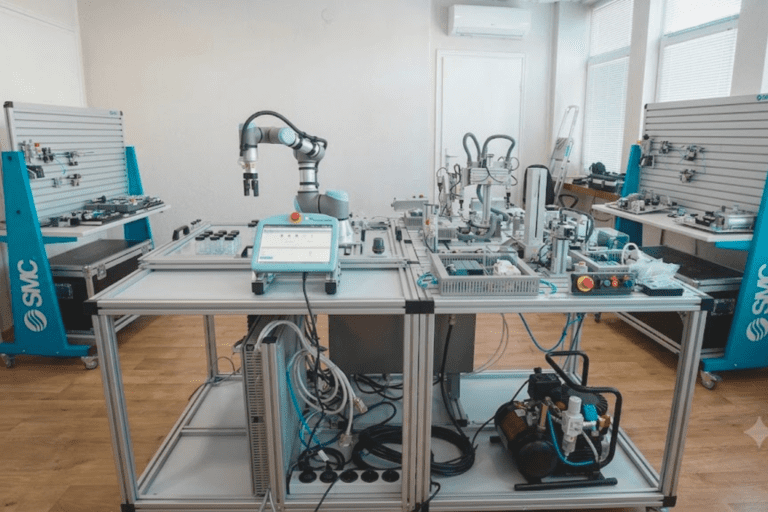
- Projects with measurable results – pilots and demonstrators related to specific industrial needs: process digitalization, automation and robotization, sustainable technologies and energy efficiency.
The academy emphasized that the early involvement of teachers and students in real company tasks speeds up training and reduces time to implementation. The industry representative pointed out that businesses are looking for ready-to-use solutions and expects pragmatic partnerships – from joint definition of research topics to rapid test cycles and measurable impact on productivity.
Panel II: Financing Innovation – How Can Europe Win the Global Race for Technological Leadership?
Speakers:
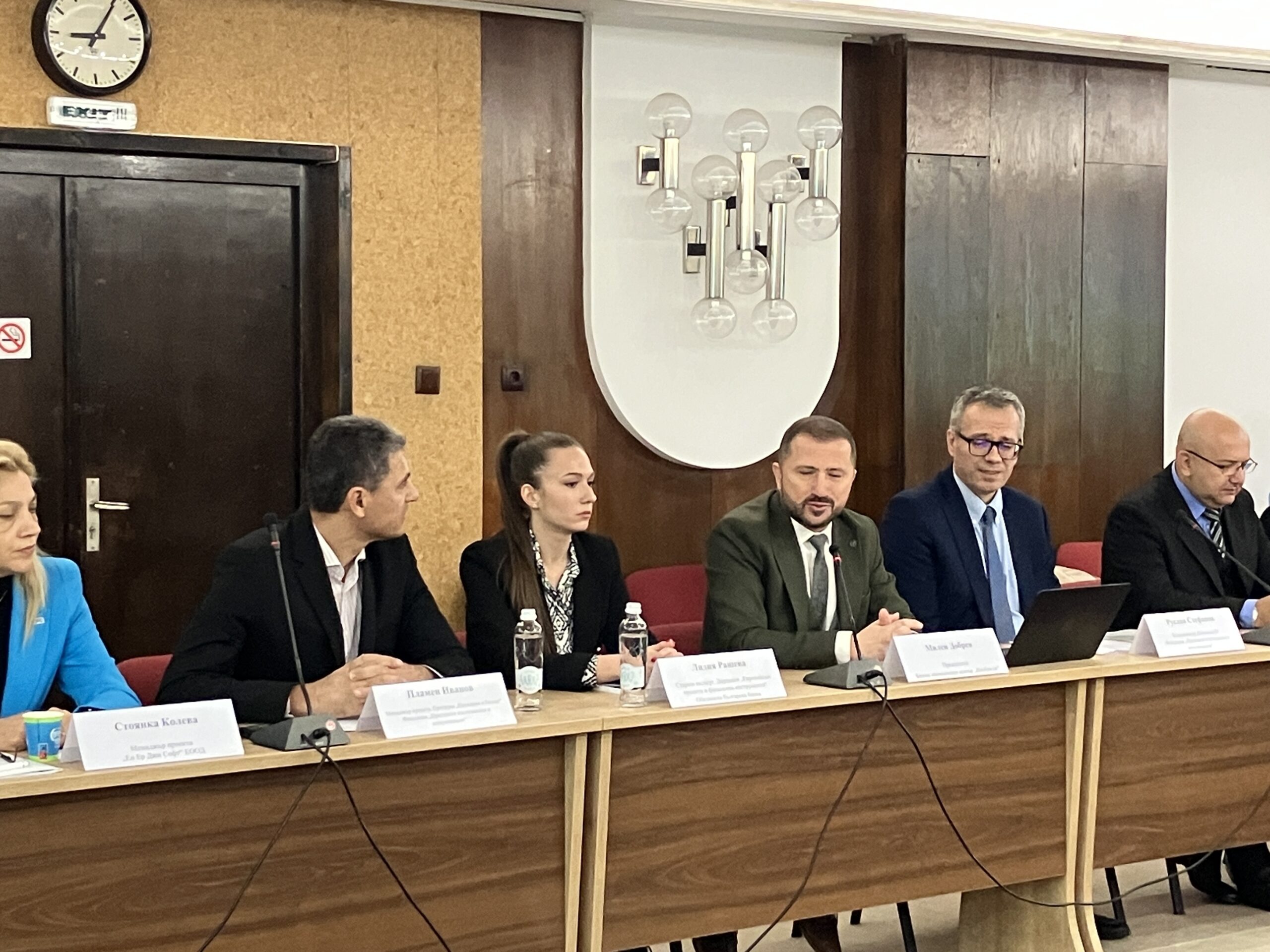
- Milen Dobrev, Chairman, BIC "Innobridge"
- Lidiya Rasheva, Senior Expert, European Projects and Financial Instruments Directorate, UBB
- Stoyanka Koleva, Project Manager, NRJ Soft Ltd.
Moderator: Plamen Ivanov, Project Manager, Innovation and Business Program, Applied Research and Communications Foundation
The second panel went through the full financing cycle – from grant schemes and European financial instruments to banking products for growth. Emphasis was placed on:
- Project preparation: clear formulation of the problem, market applicability, indicators of result and sustainability;
- Blended financing: combining different sources to accelerate implementation and scale solutions;
- The role of SMEs: living examples of how small teams can implement pilots and reach first customers through supporting tools and partnerships.
From a practical point of view, it was noted that the stable relationship between company and university facilitates access to funding – because the projects are based on real industrial challenges and use available scientific expertise.
Closing and Face-To-Face Conversations
In the final part, the organizers summarized the main messages of the day:
- Business education is axis: common topic planning, joint teams and shared resources are the key to faster technology transfer.
- Focus on the pilots: small-scale but well-defined pilot projects create trust and prove impact – after which funding and scaling come more easily.
- Access to knowledge and tools: being informed about current programs and financial products saves time and increases the success rate when applying.
The subsequent conversations outlined a few ideas for joint initiatives between the University of Ruse and regional companies - from digitalization of production stages to training focused on new technologies and management skills directly related to implementation.
What does this mean for the region?
Ruse has strong prerequisites to develop a functioning regional innovation and technology hub: a university with proven competencies, active enterprises in industry and technology, and institutions ready to assist in prioritizing topics with economic impact. The next step is to structure pilot projects and general implementation schedule, supported by appropriate programmes and financial instruments.
The event is part of the initiative of Applied Research and Communications Foundation (Innovations.bg) and was held with the assistance of The Ruse Chamber of Commerce and Industry and BIC "Innobridge". We thank the lecturers and all participants for their active contribution.