
The European Commission has launched the European Register of Digital Product Passports

On 20 July 2026, the European Commission officially launched the European Register of Digital Product Passports, along with a dedicated testing environment. This is an important step towards the practical implementation of the Digital Product Passport for products that will gradually be covered by European legislation.
The launch of the Register does not mean that all products must have a digital product passport from that date. The specific requirements will come into force in stages for individual product groups and within the deadlines set out in the applicable European legislation.
The news shows that the main European technical infrastructure for the registration of digital product passports is now operational. Economic operators can register their organization in the system, use the test environment and get acquainted with the process of registering and managing digital product passports. The actual registration of passports will be carried out in accordance with the applicable requirements for specific products.
What is the difference between the digital product passport and the Register?
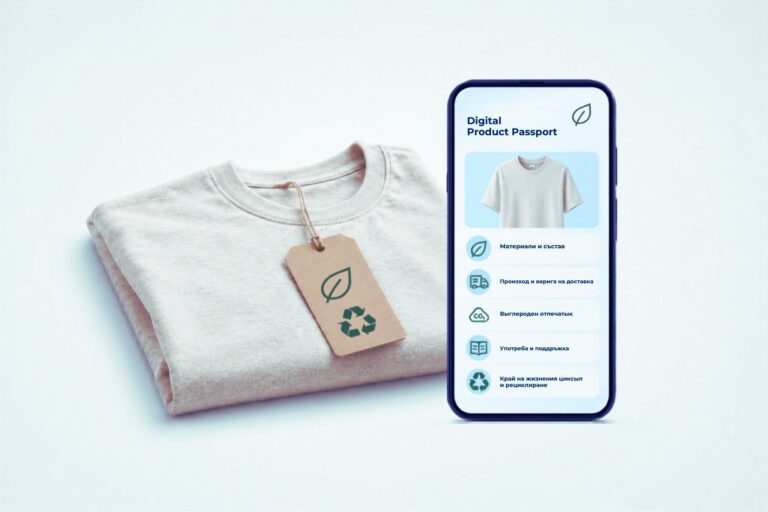
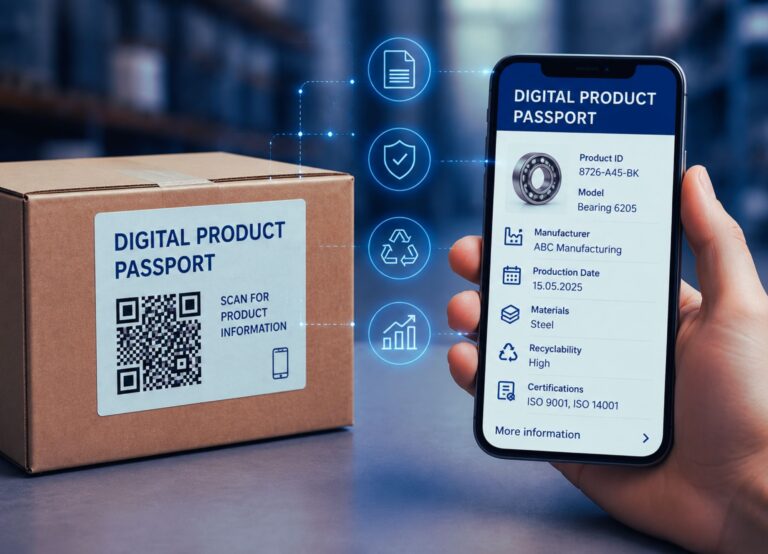
As we have already presented in the RTIK information series, the digital product passport is a digital file of the product. Depending on the requirements for the respective product group, it can contain information on the identification, composition and characteristics of the product, as well as data related to repair, reuse and recycling.
The detailed information in the digital product passport is not stored in the European Registry. It is stored decentrally and remains under the responsibility of the relevant economic operator.
Depending on the specific case, this operator may be a manufacturer, importer or other economic operator as defined in the applicable legislation. The data may be managed in the operator's own information system or through a specialized digital product passport service provider.
The European Registry serves a different function. It stores the unique identifiers, registration data and basic metadata related to the product and its digital product passport. Through the Registry, the passport can be discovered, identified and verified.
In general:
The digital product passport contains the detailed information about the product, and the European Register contains the data necessary for the identification and verification of the passport and for verifying its registration.
A practical example
As an illustrative example, the digital product passport of a certain model of office chair could contain:
- information about the materials used;
- data on the content of recycled raw materials;
- information about available spare parts;
- repair and maintenance instructions;
- information on how to disassemble;
- opportunities for reuse and recycling.
This is an example of possible content. The specific mandatory data for furniture will be determined by the applicable European rules for this product group.
The detailed data can be stored in the system of the manufacturer or another responsible economic operator, as well as in a platform of a specialized digital product passport service provider.
A registration will be created in the European Registry that links the unique identifier of the product to the identifier of its digital product passport and the corresponding registration data and metadata.
The register does not replace the passport and is not a complete copy of it. Its task is to provide a common European system through which the passport can be registered, identified and verified.
The digital product passport will be accessible via a QR code or other machine-readable data carrier. Depending on the rules for the relevant product group, it may be placed on the product, the packaging or the accompanying documentation.
How the Register will be used
Economic operators will be able to work with the Register in two main ways:
- through a secure user interface;
- through API connection to the company's information systems.
API integration is important for businesses that manage a large number of products, models, or product units. It allows registrations to be submitted automatically through the company's digital systems.
The European Commission also provides a separate testing environment. Through it, companies can familiarize themselves with the system's functions and workflows and try out future integrations without the test actions affecting real data and registrations.
To access the test environment, it is necessary to create a separate EU Login account intended for testing.
The European Commission also published detailed Guide to working with the Register of Economic Operators. It contains practical instructions for setting up EU Login, registering and verifying the organisation, registering digital product passports and using the test environment.
In the next post in the RTIK series, we will take a closer look at which sectors and product groups are expected to be among the first and most affected by the introduction of the digital product passport.
The launch of the European Registry is an important step towards the practical implementation of the digital product passport. It does not introduce a general obligation for all products, but creates the real technical infrastructure through which passports will be registered, identified and verified.
Read more on the topic
RTIK follows the introduction of the digital product passport and its practical importance for business in a special information series:
- The Digital Product Passport: What It Is and Why It's Important for Business
- European regulations and the Digital Product Passport: what's next
- Digital Product Passport: What data should businesses prepare and where to start
Sources:
European Commission: The DPP Registry
European Commission: The Digital Product Passport Registry is now live